

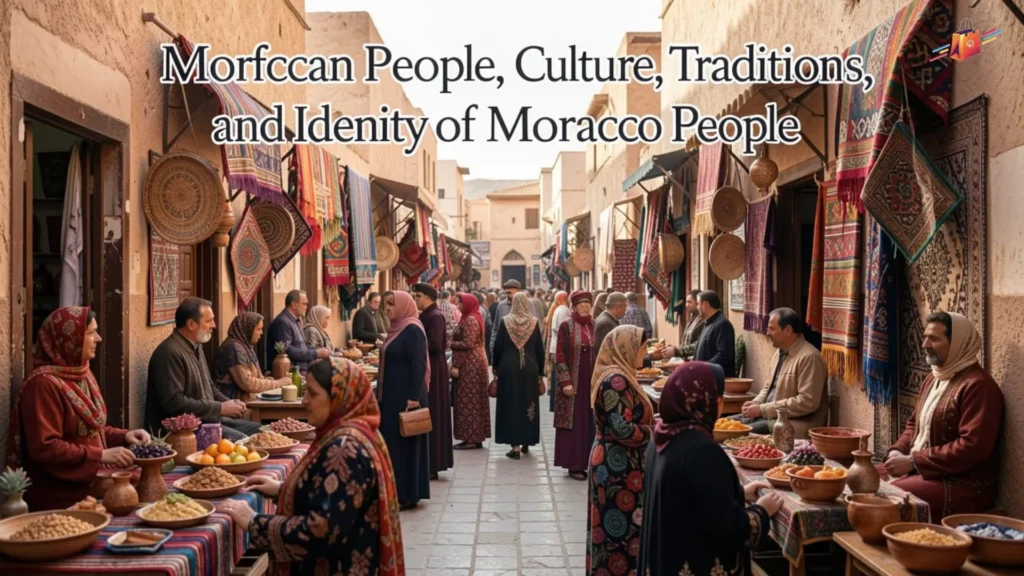
Moroccan People, Culture, Traditions, and Identity of Morocco People
Introduction
Moroccan people welcome you into a world where history, culture, and identity blend into a vibrant daily experience. When you explore Morocco—whether you walk through ancient medinas or modern cities—you quickly realize that Morocco people carry a unique mix of traditions, languages, and lifestyles. You’re not just discovering a country; You’re stepping into a living cultural mosaic shaped over centuries.
In this complete guide, you’ll learn everything you need to know about Moroccan people, from their origins and ethnic diversity to their daily life, traditions, food, and modern identity.
Who are Moroccan people?
Definition and Identity
Moroccan people are the citizens of Morocco, a North African country located at the crossroads of Africa, Europe, and the Middle East. What makes Morocco people truly unique is their diversity.
Key CharacteristicsYou’ll Notice
- Strong sense of family and community
- Deep respect for tradition
- Warm hospitality toward guests
- Pride in cultural identity
You’ll quickly feel welcomed when interacting with Moroccan people, as hospitality is not just a custom—it’s a way of life.
Origins and Ethnic Diversity of Morocco People
Berber Peoples of Morocco (Amazigh Heritage)
The Berber people of Morocco , also known as Amazigh, are the indigenous inhabitants of the region.
What Defines Berber People in Morocco
- Ancient roots dating back thousands of years
- Unique languages such as Tamazight
- Rich traditions in music, crafts, and clothing
You’ll find Berber communities especially in:
- Atlas Mountains
- Rif Mountains
- desert regions
Arab Influence on Moroccan People
Arab migration brought significant cultural and religious influence.
Impact on Morocco
- Arabic language (Darija dialect)
- Islamic traditions
- Architectural styles and literature
Other Cultural Influences
Moroccan people are shaped by multiple civilizations:
- Sub-Saharan African heritage
- European influence (French and Spanish)
- Jewish Moroccan communities
Ethnic Composition Overview
| Ethnic Group | Influence | Key Features |
|---|---|---|
| Amazigh (Berber) | Indigenous | Language, traditions |
| Arab | Cultural/Religious | Arabic, Islam |
| Others | Mixed | Diversity |
Languages Spoken by Moroccan People
Main Languages You’ll Hear
Moroccan people are often multilingual, which makes communication easier for visitors.
Common Languages
- Darija (Moroccan Arabic) – everyday communication
- Tamazight – Berber languages
- French – business and education
Why Multilingualism Matters
- You can communicate easily in cities
- Language varies by region
- Cultural identity is preserved through language
Culture and Traditions of Moroccan People
Family and Social Life
Family plays a central role in Moroccan society.
What You’ll Experience
- Strong family bonds
- Respect for elders
- Frequent gatherings
Hospitality and Generosity
Moroccan people are known worldwide for their hospitality.
Examples of Hospitality
- Offering tea to guests
- Sharing meals
- Helping strangers
You’ll rarely leave a Moroccan home without being offered food or tea.
Traditional Clothing
Moroccan clothing reflects elegance and cultural pride.
Popular Garments
- Djellaba (long robe)
- Caftan (formal dress)
- Berber traditional outfits
Moroccan Food and Culinary Traditions
Famous Moroccan Dishes
Food is at the heart of Moroccan culture.
Must-Try Dishes
- Couscous
- Tagine
- Moroccan mint tea
Key Ingredients in Moroccan Cuisine
| Ingredient | Purpose | Example Dish |
|---|---|---|
| Semolina | Base grain | Couscous |
| Spices (cumin, saffron) | Flavor | Tagine |
| Mint | Beverage | Tea |
Why Food Matters to You
- Meals bring families together
- Food reflects cultural identity
- You experience hospitality through cuisine
Religion and Beliefs
Islam in Daily Life
Most Moroccan people are Muslim, and religion influences daily routines.
Religious Practices
- Five daily prayers
- Ramadan fasting
- Religious holidays
Tolerance and Diversity
Morocco also includes:
- Jewish communities
- Christian minorities
You’ll notice a general atmosphere of coexistence and respect.
Daily Life of Moroccan People
Urban vs Rural Living
Urban Life
- Modern lifestyle
- Access to technology
- Business and services
Rural Life
- Agriculture-based
- Traditional practices
- Close-knit communities
Work and Economy
Moroccan people work in various sectors:
- Agriculture
- Tourism
- Trade and services
Festivals and Celebrations
Major Celebrations
Moroccan people celebrate both religious and cultural events.
Popular Events
- Eid al-Fitr
- Eid al-Adha
- Weddings
Celebration Traditions
- Music and dancing
- Traditional clothing
- Large family gatherings
Moroccan People in the Modern World
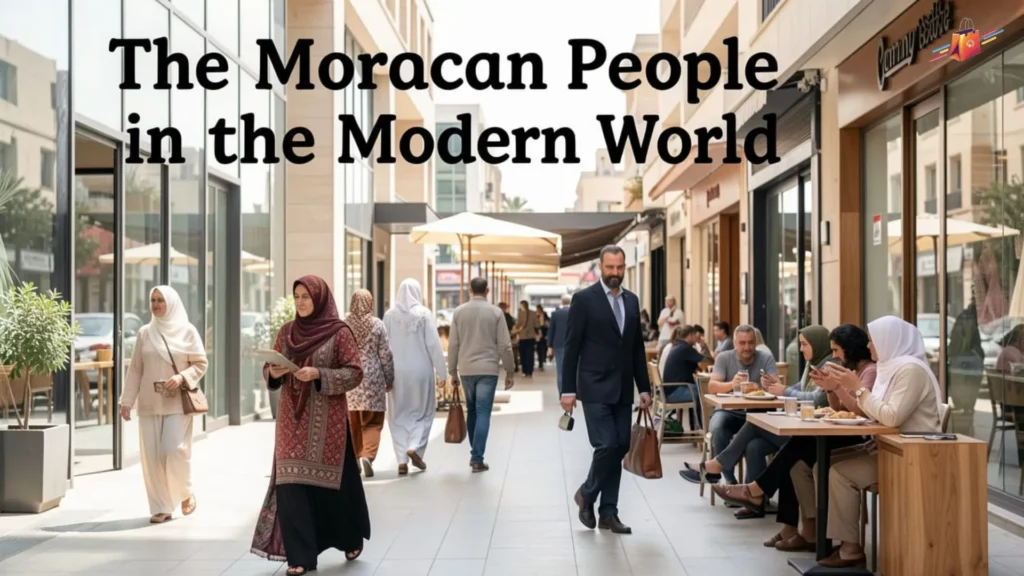
Education and Youth
You’ll see a growing focus on education and innovation.
Trends
- Increased school enrollment
- Digital transformation
- Youth entrepreneurship
Global Presence
Moroccan people live around the world, spreading their culture.
- Moroccan cuisine abroad
- Cultural festivals
- Business networks
Common Misconceptions About Moroccan People
Myth vs Reality
Common Myths
- Morocco is only desert
- Culture is uniform
- Women have limited roles
Reality
- Morocco has mountains, cities, and beaches
- Culture is highly diverse
- Women are active in all sectors
Frequently Asked Questions About Moroccan People
Who are the Moroccan people?
Moroccan people are the citizens of Morocco, representing a mix of Amazigh, Arab, and other cultural backgrounds.
What language do Moroccan people speak?
You’ll hear Arabic, Tamazight, and French commonly used.
Are Moroccan people Arab or Berber?
They are both, along with other influences.
What are Moroccan people known for?
You’ll recognize them for hospitality, culture, and cuisine.
Conclusion
Moroccan people offer you a rich and unforgettable cultural experience shaped by centuries of history, diversity, and tradition. From their Amazigh roots to modern global influence, you’ll discover a society that values hospitality, family, and identity.
Whether you’re planning to visit Morocco, learn about its culture, or connect with its people, understanding Moroccan people helps you appreciate the country on a deeper level.
Call to Action
If you’re inspired by the culture and lifestyle of Moroccan people, take the next step. Explore Moroccan cuisine, plan your trip, or connect with local communities. The more you discover, the more you’ll appreciate the beauty and diversity that Morocco people bring to the world.