
Introduction
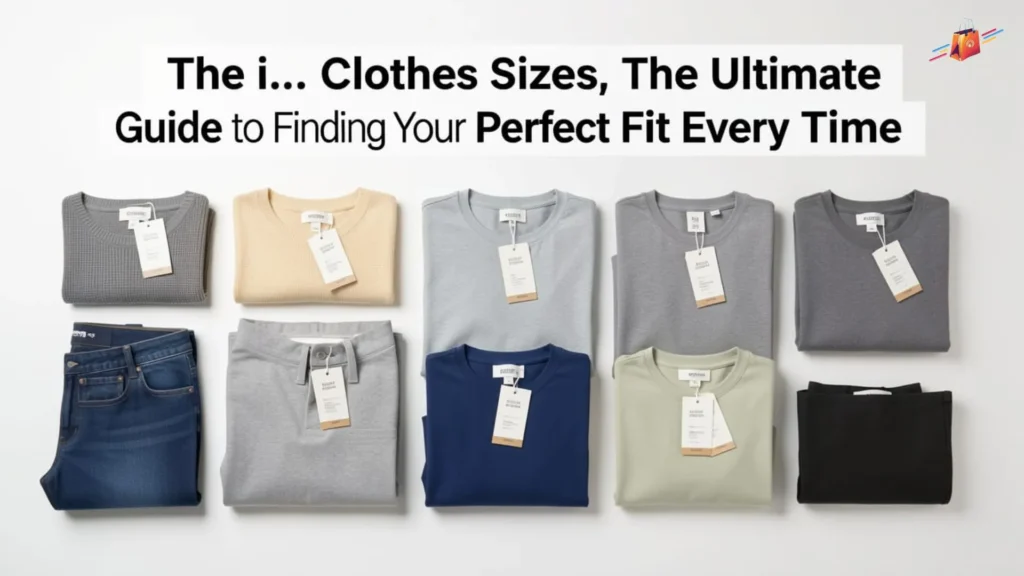
Clothes sizes can easily confuse you when you’re trying to buy something that fits perfectly. You may think you know your size, but then you try a new brand or shop online, and suddenly nothing fits the way you expect.
If you’ve ever felt frustrated by inconsistent sizing, you’re not alone. The truth is, clothes sizes are not universal, and that’s why you need to understand how they work. In this guide, you’ll discover everything you need to know to confidently choose your size, avoid returns, and always look your best.
Clothes Sizes – Everything You Need to Know
What are clothing sizes?
Clothes sizes are labels used by manufacturers to indicate the body measurements of a garment that is designed to fit. However, these labels are only approximations, not exact standards.
Why Clothes Sizes Are Not Consistent
- Brands use different measurement systems
- Regions (US, UK, EU) follow different standards
- Fabric type affects fit (stretch vs non-stretch)
- Fashion trends (oversized vs slim fit)
Key Takeaway
You should always focus on measurements rather than relying only on size labels like S, M, or L.
Understanding Clothing Size Charts
Size charts help you match your body measurements to the correct size.
Women’s Clothing Size Chart
| Size | Bust (cm) | Waist (cm) | Hips (cm) |
|---|---|---|---|
| XS | 76–81 | 58–64 | 84–89 |
| S | 82–87 | 65–70 | 90–95 |
| M | 88–93 | 71–76 | 96–101 |
| L | 94–100 | 77–83 | 102–108 |
| XL | 101–108 | 84–91 | 109–116 |
Men’s Clothing Size Chart
| Size | Chest (cm) | Waist (cm) |
|---|---|---|
| S | 91–96 | 76–81 |
| M | 97–102 | 82–87 |
| L | 103–108 | 88–93 |
| XL | 109–114 | 94–99 |
Baby Clothes Size Chart
| Age | Height (cm) | Weight (kg) |
|---|---|---|
| Newborn | 50–56 | 2.5–4 |
| 3 Months | 57–62 | 4–6 |
| 6 Months | 63–68 | 6–8 |
| 9 Months | 69–74 | 8–9 |
International Clothes Size Conversion
When you shop internationally, understanding conversions is essential.
Women’s Size Conversion (US/UK/EU)
| US | UK | EU |
|---|---|---|
| 4 | 8 | 36 |
| 6 | 10 | 38 |
| 8 | 12 | 40 |
| 10 | 14 | 42 |
| 12 | 16 | 44 |
Tips for Accurate Conversion
- Always check brand-specific charts
- Compare measurements, not just sizes
- Consider the fit style (tight, relaxed, oversized)
How to Measure Your Body Correctly
To find your perfect fit, you need accurate measurements.
Essential Measurements
- Bust or chest
- Waist
- Hips
- Inseam (for pants)
Step-by-Step Guide
- Use a flexible measuring tape
- Measure close to your body without tightening
- Stand straight and relaxed
- Write down your measurements
Plus Size Clothing Guide
Plus size clothing is designed to offer better proportions and comfort.
What Defines Plus Size?
- Usually starts from size XL or 14 (US)
- Focuses on body shape, not just size
Tips for Choosing Plus Size Clothes
- Look for stretchy fabrics
- Choose structured designs
- Avoid overly tight fits
- Prioritize comfort
Popular Plus Size Categories
- Plus size maternity clothes
- Plus size work outfits
- Plus size party wear
- Plus size wedding dresses
Clothes Sizes for Different Categories
Maternity Clothes
- Choose your pre-pregnancy size
- Look for adjustable waistbands
- Focus on breathable fabrics
Children’s Clothing Sizes
- Based on height and age
- Example: Size 120 = 120 cm height
Professional Clothing
- Should fit shoulders perfectly
- Tailored fit improves appearance
- Avoid oversized garments
Common Problems with Clothes Sizes
Problem 1: Same Size, Different Fit
Solution: Check measurements and reviews before buying.
Problem 2: Clothes Too Tight or Too Loose
Solution: Choose flexible fabrics and adjust sizing accordingly.
Problem 3: Confusing International Sizes
Solution: Use conversion charts and tools.
How to Choose the Perfect Fit
Practical Tips
- Always measure your body
- Compare with size charts
- Read customer reviews
- Check fabric type
- Choose comfort over size label
Clothes Sizes in Online Shopping
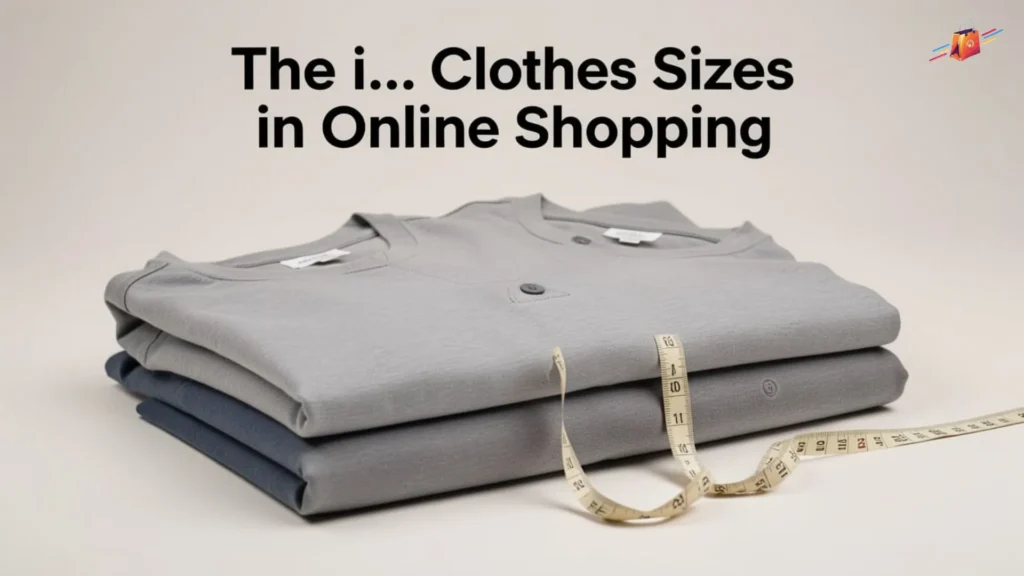
Shopping online requires extra care.
Checklist Before Buying
- Review size charts carefully
- Check return policy
- Look at real customer photos
- Read reviews about fit
Trends in Clothes Sizes
Fashion is evolving, and sizing is becoming more inclusive.
Modern Trends
- Inclusive sizing ranges
- Gender-neutral clothing
- Custom-fit options
- Smart size recommendations
Frequently Asked Questions About Clothes Sizes
How do you know your clothes size?
You should measure your body and compare it with size charts.
Why do clothes sizes vary by brand?
Because brands use different measurement standards and target audiences.
What size is 120 in children’s clothes?
It usually corresponds to a child who is 120 cm tall.
Are US and UK sizes the same?
No, UK sizes are generally two sizes larger than US sizes.
What is the best way to avoid wrong sizes online?
Always check measurements, read reviews, and verify return policies.
Conclusion
Clothes sizes don’t have to be confusing anymore. When you understand how sizing works and focus on measurements instead of labels, you take full control of your shopping experience.
You now have the tools to:
- Choose the right size
- Understand international conversions
- Avoid common mistakes
- Shop confidently online
Call to Action
Now that you understand clothes sizes, it’s time to apply what you’ve learned.
Before your next purchase:
- Measure yourself
- Compare with size charts
- Choose the fit that suits your body
If you found this guide helpful, share it with your friends or save it for future reference. The next time you shop, you’ll do it with confidence—and finally get the perfect fit you deserve.