

Introduction
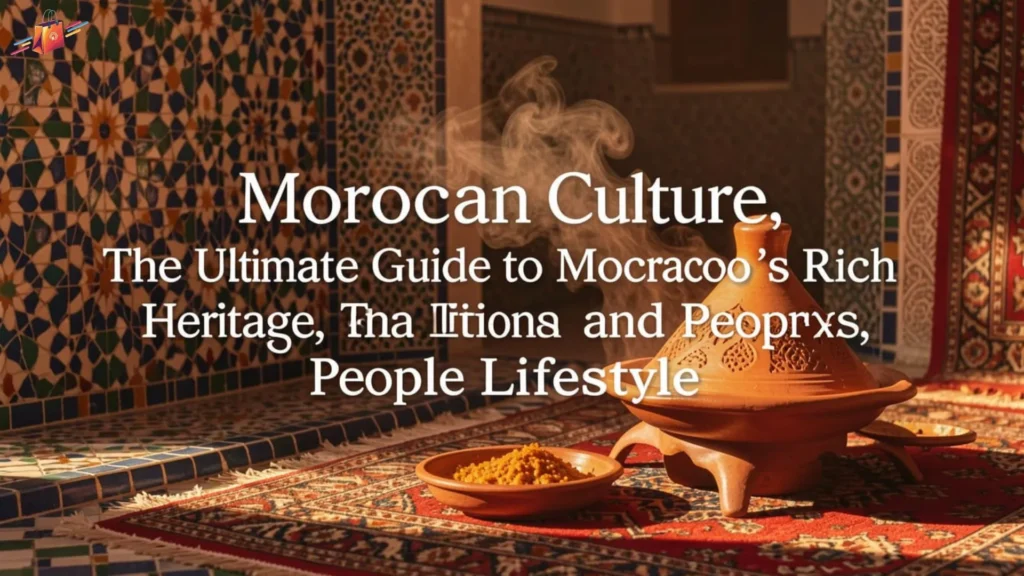
Moroccan Culture is one of the most vibrant and captivating cultural experiences you can discover anywhere in the world. Whether you have visited Morocco, dreamed of exploring its colorful markets, or simply admire its unique traditions, you can immediately sense the warmth, hospitality, and diversity that define this extraordinary nation.
As you explore Morocco, you encounter a remarkable blend of Amazigh, Arab, African, Andalusian, Mediterranean, and Islamic influences. These cultural layers have shaped every aspect of Moroccan life, from architecture and cuisine to music, language, family values, and daily customs.
Today, Morocco stands as a bridge between Africa, Europe, and the Middle East, creating a unique identity that continues to fascinate travelers, historians, and culture enthusiasts alike. In this comprehensive guide, you will discover everything you need to know about Moroccan culture, Morocco people and culture, traditional customs, cuisine, arts, architecture, and modern cultural developments.
Understanding Moroccan Culture
Moroccan culture reflects centuries of interaction between diverse civilizations. The country’s strategic location at the crossroads of continents allowed different peoples and traditions to contribute to its unique identity.
What Makes Moroccan Culture Unique?
Several factors distinguish Morocco from other countries:
- Strong Amazigh heritage
- Rich Islamic traditions
- African cultural influences
- Andalusian artistic heritage
- Mediterranean lifestyle elements
- Deep-rooted hospitality customs
These influences blend harmoniously, creating a culture that is both ancient and modern.
Morocco’s Geographic Influence
| Region | Cultural Influence |
|---|---|
| Atlas Mountains | Amazigh traditions |
| Sahara Desert | Nomadic customs |
| Atlantic Coast | Maritime heritage |
| Northern Morocco | Andalusian influence |
| Urban Centers | Modern cosmopolitan culture |
History and Origins of the Culture of Morocco
To fully appreciate Moroccan culture, you must understand its historical foundations.
Indigenous Amazigh Heritage
The Amazigh people, often referred to as Berbers, are the indigenous inhabitants of North Africa. Their traditions, language, crafts, and social structures remain fundamental components of Moroccan identity today.
Amazigh influence can be seen in:
- Traditional clothing
- Handcrafted carpets
- Local architecture
- Regional music
- Culinary traditions
Islamic Influence
Islam arrived in Morocco during the 7th century and became a defining aspect of society. Beyond religion, Islamic principles shaped education, architecture, law, social values, and daily life.
Many of Morocco’s most iconic landmarks reflect this influence through intricate geometric designs, calligraphy, and architectural beauty.
Historical Dynasties
Several powerful dynasties helped shape Morocco’s development:
| Dynasty | Contribution |
| Idrisid | Establishment of the first Moroccan state |
| Almoravid | Urban development and expansion |
| Almohad | Architectural achievements |
| Marinid | Educational institutions |
| Alaouite | Modern Morocco’s formation |
Morocco People and Culture
One of the most fascinating aspects of Morocco is its cultural diversity.
Who Are the Moroccan People?
Morocco’s population includes a rich mixture of:
- Amazigh communities
- Arab communities
- Saharan groups
- African influences
- Historical Jewish communities
This diversity contributes to Morocco’s unique social fabric.
Languages Spoken in Morocco
Morocco is a multilingual society.
| Language | Primary Use |
| Arabic | Official language |
| Amazigh | Official language |
| French | Business and education |
| Spanish | Northern regions |
| English | Tourism and international communication |
The ability to communicate in multiple languages reflects Morocco’s openness to the world.
Family Values and Social Life in Moroccan Culture
Family forms the foundation of Moroccan society.
Importance of Family
Moroccan families often maintain close relationships across generations. Respect for parents and elders remains a central cultural value.
Family gatherings are important for:
- Religious celebrations
- Weddings
- Birth ceremonies
- Community events
Hospitality as a Cultural Pillar
Hospitality is one of Morocco’s most admired traditions.
If you visit a Moroccan home, you will likely experience:
- Warm greetings
- Mint tea service
- Generous meals
- Genuine conversation
Moroccans often consider guests a blessing and strive to make visitors feel comfortable and welcome.
Religion and Spiritual Traditions
Religion plays an important role in everyday life throughout Morocco.
Islam in Daily Life
Islam influences:
- Daily routines
- Social interactions
- Community values
- Religious celebrations
You may hear the call to prayer throughout cities and villages, reminding people of spiritual obligations.
Religious Tolerance
Morocco has a long history of coexistence among different religious communities.
The country has historically hosted:
- Muslim communities
- Jewish communities
- Christian communities
This heritage contributes to Morocco’s reputation for religious tolerance and cultural diversity.
Traditional Moroccan Clothing
Traditional clothing remains an important symbol of cultural identity.
Popular Traditional Garments
Djellaba
A long robe with a hood worn by both men and women.
Kaftan
An elegant garment commonly worn by women during celebrations.
Takchita
A luxurious traditional outfit frequently chosen for weddings and formal events.
Gandoura
A loose-fitting traditional garment worn in many regions.
| Garment | Worn By | Occasion |
| Djellaba | Men & Women | Daily wear |
| Kaftan | Women | Celebrations |
| Takchita | Women | Weddings |
| Gandoura | Men | Traditional events |
Moroccan Cuisine: A World of Flavor
Moroccan food is recognized globally for its rich flavors, aromatic spices, and cultural significance.
Why Moroccan Food Is Famous
Moroccan cuisine combines influences from:
- Amazigh traditions
- Arab cooking
- Mediterranean ingredients
- African flavors
- Andalusian culinary techniques
Traditional Moroccan Dishes
Tagine
A slow-cooked dish prepared in a distinctive clay pot.
Couscous
Often served on Fridays and during family gatherings.
Harira
A traditional soup enjoyed especially during Ramadan.
Pastilla
A sweet and savory pastry that showcases Moroccan culinary creativity.
Traditional Chicken Tagine Recipe Ingredients
| Ingredient | Quantity |
| Chicken | 1 kg |
| Onions | 2 |
| Olive Oil | 3 tbsp |
| Preserved Lemons | 2 |
| Green Olives | 1 cup |
| Ginger | 1 tsp |
| Turmeric | 1 tsp |
| Saffron | Pinch |
The Importance of Mint Tea
Moroccan mint tea symbolizes hospitality, friendship, and respect.
Tea ceremonies often accompany:
- Family visits
- Business meetings
- Social gatherings
- Celebrations
Moroccan Arts and Crafts
Morocco has earned international recognition for its artistic heritage.
Traditional Crafts
Popular Moroccan crafts include:
- Zellige tilework
- Carpet weaving
- Pottery
- Leather craftsmanship
- Wood carving
- Metalwork
These crafts often require skills passed down through generations.
Moroccan Music
Morocco’s musical traditions are equally diverse.
Popular Genres
- Gnawa music
- Andalusian music
- Amazigh music
- Chaabi music
| Music Style | Origin |
| Gnawa | African heritage |
| Andalusian | Spain-Andalusia |
| Amazigh | Indigenous traditions |
| Chaabi | Urban Morocco |
Festivals and Celebrations
Moroccans celebrate both religious and cultural festivals throughout the year.
Religious Celebrations
Major religious events include:
- Eid al-Fitr
- Eid al-Adha
- Mawlid
Cultural Festivals
Morocco also hosts internationally recognized festivals featuring music, arts, and cultural exchange.
These events attract visitors from around the world and contribute significantly to cultural tourism.
Moroccan Architecture and Cultural Heritage
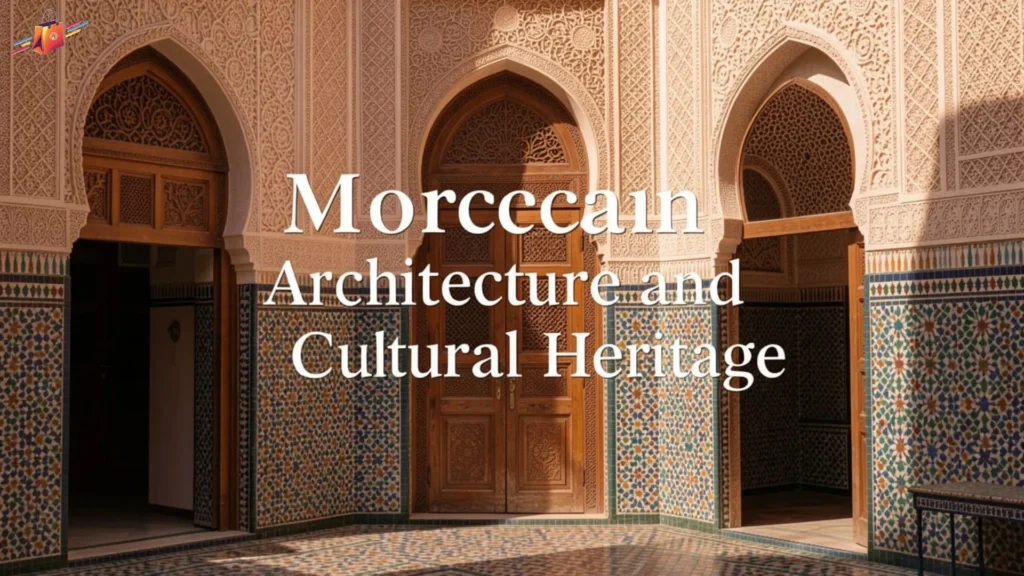
Architecture is one of the most visible expressions of Moroccan culture.
Characteristics of Moroccan Architecture
Key features include:
- Decorative tilework
- Courtyard gardens
- Geometric patterns
- Ornate woodwork
- Arched doorways
Traditional Structures
Riads
Traditional homes built around interior courtyards.
Kasbahs
Fortified structures often found in southern Morocco.
Medinas
Historic city centers featuring narrow streets and traditional markets.
These architectural treasures preserve centuries of Moroccan history.
Morocco Africa Culture and Global Influence
Morocco occupies a unique position within Africa.
Morocco’s Role in African Culture
For centuries, Morocco served as a gateway connecting:
- Sub-Saharan Africa
- Europe
- The Middle East
Trade routes facilitated cultural exchanges that continue influencing Moroccan society today.
Global Impact of Moroccan Culture
Moroccan culture influences:
- International fashion
- Interior design
- Cuisine
- Music
- Tourism
Many global designers and artists draw inspiration from Morocco’s colors, patterns, and traditions.
Moroccan Culture in the Modern Era
While preserving traditions, Morocco continues embracing modernization.
Technology and Cultural Preservation
Modern tools help protect cultural heritage through:
- Digital archives
- Online museums
- Cultural education platforms
- Social media storytelling
Challenges and Opportunities
Modern Moroccan culture balances:
- Globalization
- Cultural preservation
- Economic growth
- Youth innovation
This balance helps ensure traditions remain relevant for future generations.
Expert Profile


4
Expert Name: Aomar Boum
Credentials:
- Maurice Amado Chair in Sephardic Studies at UCLA
- Professor of Anthropology, History, and Near Eastern Languages and Cultures at UCLA
- Member of the Academy of the Kingdom of Morocco
- Internationally recognized scholar specializing in Moroccan history, identity, and cultural heritage
Expert Opinion for Your Article
“Moroccan culture is the result of centuries of interaction among Amazigh, Arab, African, Jewish, Andalusian, and Mediterranean communities. Understanding Morocco requires recognizing this diversity and the ways these traditions have shaped the country’s identity, memory, and heritage.”
— Based on the scholarly work and published research of Aomar Boum on Moroccan history, identity, and cultural heritage.
EEAT Authority Box for Your Article
You can add the following section near the end of your article:
Expert Review
Reviewed by: Aomar Boum
Academic Qualifications
- Professor at UCLA
- Member of the Academy of the Kingdom of Morocco
- Specialist in Moroccan cultural heritage, history, and identity studies
Why This Expert Matters
Aomar Boum is internationally recognized for his research on Moroccan society, cultural diversity, historical memory, and heritage preservation. His academic work helps provide authoritative context for discussions about Moroccan culture and its historical development.
Frequently Asked Questions About Moroccan Culture
What makes Moroccan culture unique?
Moroccan culture combines Amazigh, Arab, African, Andalusian, Mediterranean, and Islamic influences, creating a distinctive cultural identity.
What languages do Moroccan people speak?
Arabic and Amazigh are official languages, while French, Spanish, and English are also widely used.
Why is hospitality important in Moroccan culture?
Hospitality reflects deeply rooted social and religious values emphasizing generosity, respect, and community.
What foods best represent Moroccan culture?
Tagine, couscous, harira, pastilla, and mint tea are among Morocco’s most iconic culinary traditions.
How has Moroccan culture influenced the world?
Morocco has influenced global cuisine, architecture, fashion, music, arts, and tourism through its rich cultural heritage.
Conclusion
Moroccan culture represents one of the world’s most fascinating combinations of history, diversity, tradition, and innovation. As you explore Morocco’s people, cuisine, architecture, music, and customs, you discover a society deeply connected to its heritage while confidently embracing the future.
From the hospitality offered in family homes to the vibrant energy of traditional markets, every aspect of Moroccan culture tells a story shaped by centuries of cultural exchange and resilience. Whether you are planning a visit, conducting research, or simply seeking a deeper understanding of Morocco, appreciating its cultural richness offers valuable insights into one of Africa’s most remarkable nations.
Call to Action
Have you experienced Moroccan culture firsthand? Share your favorite Moroccan tradition, dish, city, or cultural experience in the comments below. If you enjoyed this guide, explore more articles about Moroccan travel, cuisine, history, and heritage to continue your cultural journey.