

Introduction
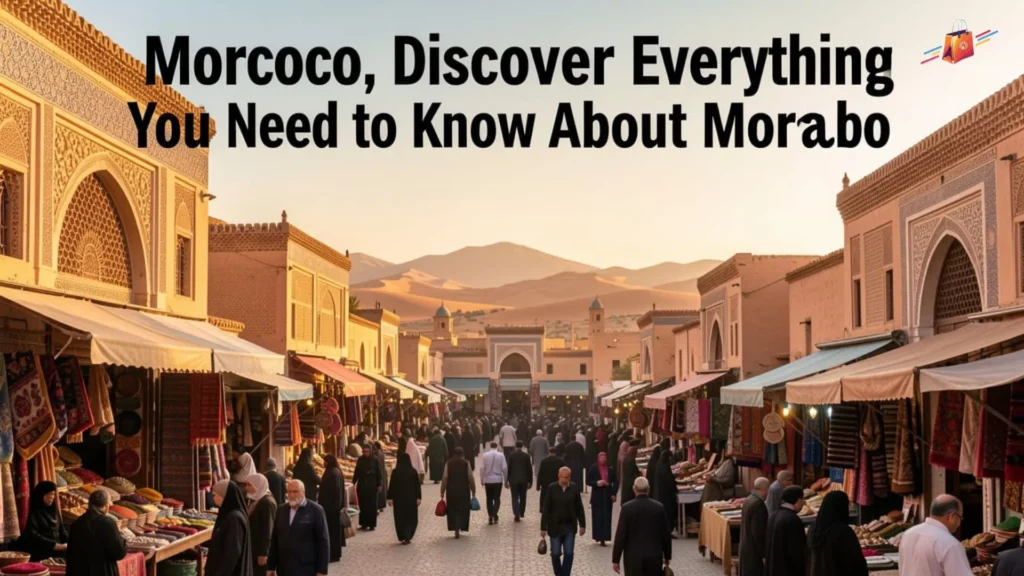
Morocco is a country that captures your imagination from the very first moment. Whether you dream of wandering through the colorful streets of Marrakech, enjoying fresh seafood in Essaouira, exploring the ancient medinas of Fez, or standing beneath the towering peaks of the Atlas Mountains, Morocco offers an unforgettable experience for every traveler.
If you have ever asked yourself where Morocco is located, what time it is in Morocco, what currency Morocco uses, or whether Morocco is safe to visit, you are in the right place. This comprehensive guide answers your most important questions while introducing you to Morocco’s history, culture, landscapes, cuisine, and modern attractions.
By the end of this guide, you will have everything you need to confidently plan your journey and better understand one of Africa’s most fascinating destinations.
What Is Morocco?
Morocco is a sovereign country located in the northwestern corner of Africa. It combines thousands of years of history with modern development, making it one of the continent’s most visited tourist destinations.
The country has long served as a cultural bridge between Africa, Europe, and the Middle East. This unique position has shaped Morocco into a diverse nation with influences from Amazigh (Berber), Arab, Andalusian, African, and European civilizations.
Quick Facts About Morocco
| Feature | Details |
|---|---|
| Official Name | Kingdom of Morocco |
| Continent | Africa |
| Capital | Rabat |
| Largest City | Casablanca |
| Population | Over 38 million |
| Official Languages | Arabic and Amazigh |
| Currency | Moroccan Dirham (MAD) |
| Government | Constitutional Monarchy |
| Coastline | Atlantic Ocean & Mediterranean Sea |
Why Morocco Is Famous
Morocco is internationally recognized for:
- Beautiful imperial cities
- Historic medinas
- Sahara Desert adventures
- Atlas Mountains
- Colorful markets
- Luxury riads
- Rich cultural heritage
- Delicious Moroccan cuisine
- World-class surfing beaches
- Rapidly growing tourism industry
Where Is Morocco Located?
One of the most common questions travelers ask is:
Where is Morocco located?
Morocco lies in the northwestern region of Africa. It borders:
- Algeria to the east
- Western Sahara to the south
- Atlantic Ocean to the west
- Mediterranean Sea to the north
Only the narrow Strait of Gibraltar separates Morocco from Spain by approximately 14 kilometers (9 miles), making it one of the closest African countries to Europe.
Morocco on the World Map
Morocco’s strategic location has made it a major crossroads for trade, exploration, and cultural exchange for centuries.
Its unique geography gives visitors access to:
- Mediterranean beaches
- Atlantic coastline
- Snow-covered mountains
- Vast deserts
- Green valleys
- Palm oases
This incredible diversity allows you to experience several climates and landscapes in a single trip.
Neighboring Countries
- Algeria
- Spain (across the Strait of Gibraltar)
- Mauritania (via Western Sahara region)
Is Morocco a Country in Africa?
Yes.
Morocco is an African country and one of the continent’s oldest kingdoms.
Although many visitors associate Morocco with the Middle East due to its Arabic language and Islamic heritage, geographically it belongs entirely to Africa.
Today Morocco is one of Africa’s largest economies and plays an important role in trade, tourism, renewable energy, and international diplomacy.
Morocco Flag
The Moroccan flag is one of the most recognizable national flags in the world.
It features:
- A deep red background
- A green five-pointed star in the center
Meaning of the Morocco Flag
Red Color
Represents:
- Strength
- Courage
- Bravery
- Historical royal heritage
Green Star
Represents:
- Peace
- Hope
- Prosperity
- The Seal of Solomon
The flag symbolizes Morocco’s rich history and national unity.
Capital of Morocco
Many people assume Casablanca is the capital because it is the country’s largest city.
However, the official capital is Rabat.
Why Rabat Is the Capital
Rabat serves as Morocco’s political and administrative center.
It is home to:
- Royal Palace
- Parliament
- Government ministries
- Foreign embassies
- National museums
Unlike the bustling commercial atmosphere of Casablanca, Rabat offers a quieter environment filled with gardens, historic monuments, and cultural attractions.
Top Attractions in Rabat
- Hassan Tower
- Mausoleum of Mohammed V
- Kasbah of the Udayas
- Chellah archaeological site
- Rabat Medina
- Atlantic beaches
Time in Morocco
If you’re planning an international trip or a business meeting, knowing the current time in Morocco is essential.
Morocco generally follows Western European Time (WET) with seasonal adjustments during parts of the year, including changes related to daylight saving practices and Ramadan.
Morocco Time Zone
| Season | Time Zone |
| Standard | UTC +1 (most of the year) |
| Special Adjustments | During Ramadan, schedules may temporarily change |
Always verify the current local time before your trip or online meeting, as seasonal adjustments may vary.
Morocco Currency
The official currency of Morocco is the Moroccan Dirham (MAD).
You will use the Moroccan Dirham when paying for:
- Hotels
- Restaurants
- Transportation
- Shopping
- Museums
- Local markets
Moroccan Currency Notes
Common banknotes include:
- 20 MAD
- 50 MAD
- 100 MAD
- 200 MAD
Coins are available in smaller denominations for everyday purchases.
Exchange Tips
Before exchanging money:
- Compare exchange rates.
- Use licensed exchange offices or banks.
- Keep your receipts.
- Avoid exchanging large amounts at airports unless necessary.
Credit cards are accepted in many hotels, restaurants, and shopping centers, but cash is still useful in traditional markets and smaller towns.
Morocco Language
Morocco is a multilingual country.
Official Languages
- Modern Standard Arabic
- Amazigh (Berber)
Widely Spoken Languages
- French
- English (especially in tourist areas)
- Spanish (mainly in northern Morocco)
Useful Greetings
- Hello
- Thank you
- Please
- Welcome
Learning a few local expressions can make your interactions more enjoyable and respectful.
Moroccan People and Culture
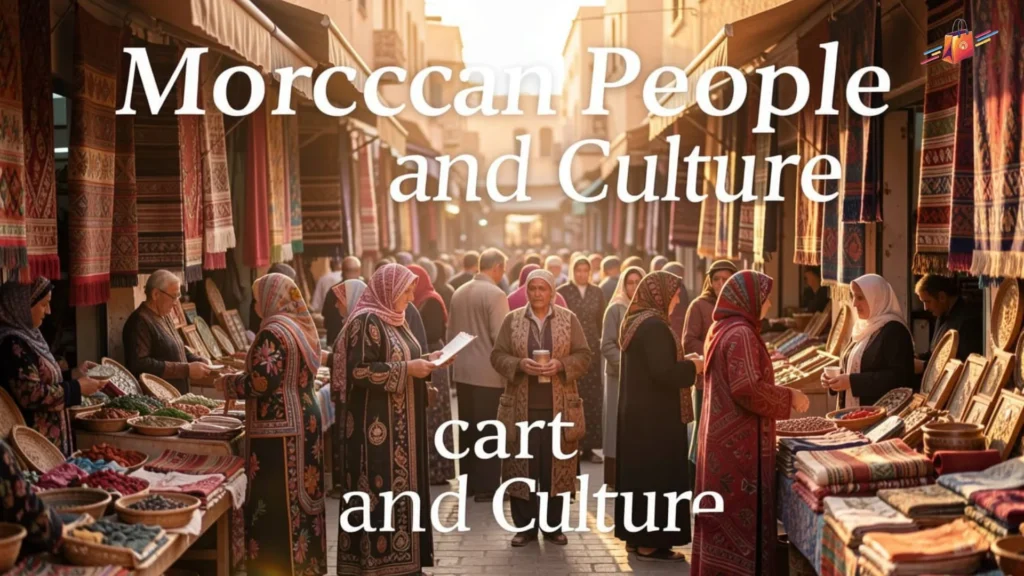
Morocco is celebrated for its warm hospitality and vibrant traditions.
Visitors often remember not only the country’s stunning landscapes but also the kindness of its people.
Cultural Influences
Moroccan culture reflects centuries of interaction between:
- Amazigh traditions
- Arab heritage
- Andalusian art
- African customs
- European influences
This blend can be seen in architecture, music, clothing, food, and festivals.
Moroccan Hospitality
Hospitality is an important part of daily life.
You may be welcomed with:
- Mint tea
- Fresh pastries
- Warm conversations
- Generous meals
Accepting these gestures respectfully is considered polite and offers a wonderful opportunity to connect with local culture.
Traditional Clothing
Popular traditional clothing includes:
- Djellaba
- Kaftan
- Gandoura
- Babouche slippers
These garments are worn during celebrations, religious holidays, and everyday life in many regions.
Moroccan Festivals
Throughout the year, Morocco hosts numerous festivals celebrating music, art, food, and local traditions. These events provide an excellent opportunity to experience authentic Moroccan culture firsthand.
Conclusion
Morocco is a destination where ancient history meets modern life. From its strategic location in North Africa and iconic red flag to its welcoming people, diverse languages, rich traditions, and vibrant cities, the country offers experiences that appeal to every type of traveler.
Whether you are planning your first visit, researching Moroccan culture, learning about its currency and time zone, or simply exploring one of Africa’s most captivating countries, Morocco has something unique waiting for you.
In the next part of this guide, you’ll discover Morocco’s most famous cities—including Casablanca, Marrakech, Fez, Tangier, Agadir, and Essaouira—along with the Atlas Mountains, authentic Moroccan cuisine, and easy traditional recipes complete with ingredient tables.